

Are You ready for a Food Safety Audit?
- BST
- Detectable
- 28 Jan 2025
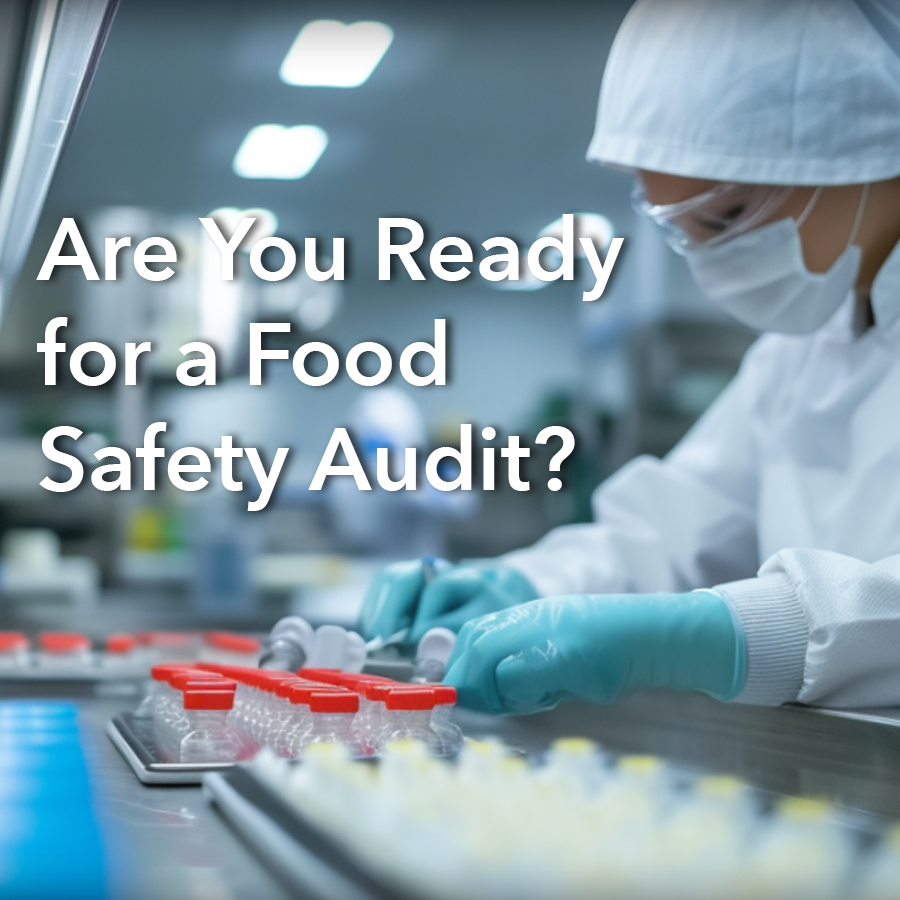
Food safety audits are a critical part of maintaining high standards in the food production industry. They are not only about ticking boxes for compliance but ensuring that your processes, facilities, and people are working in harmony to protect consumers and uphold the reputation of your business. With increasing scrutiny on traceability, hygiene, and contamination control, being well-prepared for an audit is more important than ever.
Understanding the Purpose of a Food Safety Audit
A food safety audit is designed to assess whether your operation is meeting regulatory requirements and industry standards, such as HACCP (Hazard Analysis and Critical Control Points) and BRC (British Retail Consortium) benchmarks. These audits help identify any weaknesses in your processes, ensuring that the food you produce is safe and of high quality.
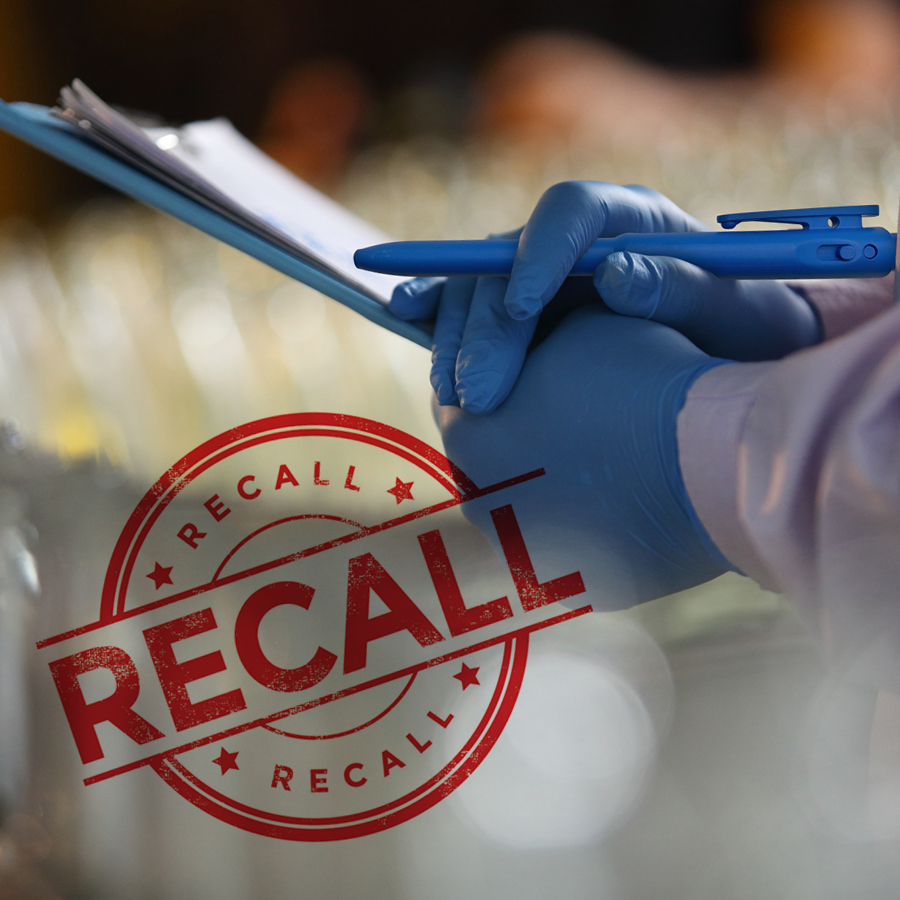
Failing to meet these standards can lead to serious consequences ? from costly recalls to reputational damage or even fines. But more than that, audits offer an opportunity to improve efficiency and reassure customers that your business is dedicated to maintaining the highest food safety standards.


Preparing for a Food Safety Audit
Conducting regular self-audits or pre-assessments can help identify potential issues before an official audit. Bringing in external consultants can also provide a fresh perspective and ensure that you?re fully prepared.
It?s important to keep records accurate and easily accessible throughout the year, rather than scrambling to organise them just before an audit. Maintaining a continuous state of readiness can reduce stress and prevent costly mistakes.
Common Audit Pitfalls and How to Avoid Them
Common audit failures include incomplete documentation, poor hygiene or safety levels, unhygienic storage of food and equipment, damaged or defective equipment, and inadequate hygiene and safety procedures.
These issues can often be avoided by building a strong food safety culture within your business and encouraging staff to take ownership of their roles. Regular internal checks and consistent record-keeping will also help maintain compliance.
Conclusion
A food safety audit isn?t just a compliance check, it?s a chance to safeguard your business, improve your processes, and protect consumers. By remaining vigilant and maintaining high standards throughout the year, you can face audits with confidence and keep your operations running smoothly.
Detect | Reject | Protect
Protecting your food from plastic and rubber contamination since 1985
Related Posts


Categories
Recent Posts


 RSS Feed